You just got an accepted offer on a home in St. James, and now the inspection clock is ticking. It can feel like a lot at once, especially if this is your first time. You want to protect your budget, avoid surprises, and keep your closing on track. In this guide, you’ll learn what inspectors check, typical timelines and costs in Phelps County, and how to negotiate repairs with confidence. Let’s dive in.
Why inspections matter in St. James
Homes in central Missouri face seasonal humidity and freeze-thaw cycles. That mix can lead to roof wear, drainage issues around foundations, and aging HVAC systems being pushed hard by hot summers and chilly winters. Basements and crawlspaces may also show moisture concerns after heavy rain.
Radon potential exists in many parts of Missouri. Testing is the only way to know a home’s level. County-level guidance is available through state public health resources. Your agent can help you decide which add-on tests make sense for the property you’re buying.
Market conditions in St. James also matter. In a seller’s market, you might focus on major safety or system issues and consider credits for the rest. In a balanced or buyer’s market, you may have more room to request repairs. Lean on local guidance to set expectations before you submit your repair request.
What a general inspection covers
A standard inspection provides a broad, visual review of the home’s major systems. Inspectors typically evaluate:
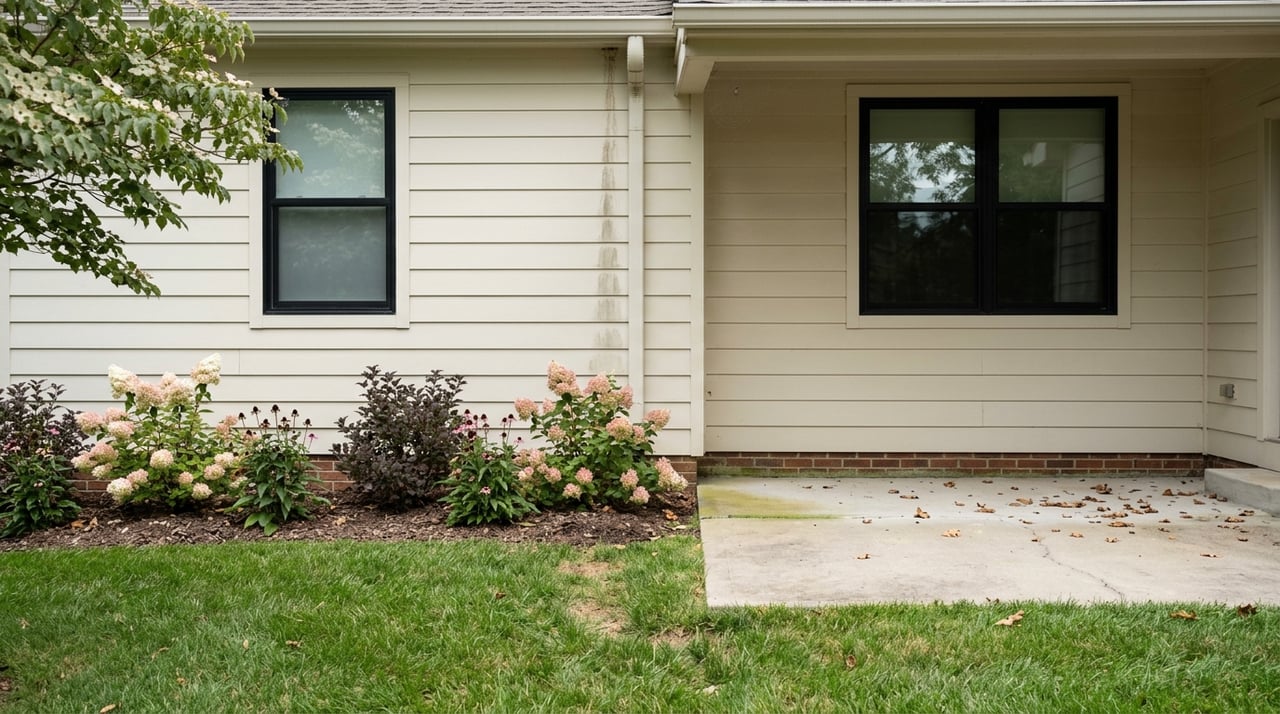
- Exterior: roof condition, gutters and downspouts, siding and trim, porches and decks, grading and drainage
- Structural components: visible foundation areas and framing where accessible, signs of movement or settlement
- Roofing: shingles or other coverings, flashing, penetrations, attic ventilation
- Plumbing: visible supply and waste lines, fixtures, water heater, signs of leakage, sump pumps
- Electrical: service equipment, visible wiring and panels, grounding and bonding where visible, GFCI protection
- HVAC: heating and cooling equipment, filters, thermostats, visible ductwork, basic function tests
- Interior: windows and doors, floors, walls, ceilings, visible moisture stains or deterioration
- Insulation and ventilation: attic insulation where visible, ventilation observations
- Basements and crawlspaces: moisture and drainage indicators, accessible structure and mechanicals
- Appliances: typically installed kitchen appliances are operated
Inspectors do not perform destructive testing or certify code compliance. Specialized evaluations such as mold or indoor air quality testing, radon testing, lead paint assessments, sewer or septic scopes, chimney inspections, or detailed pest inspections are separate services.
Common findings in Phelps County homes
You may see a mix of routine maintenance items and a few higher-priority issues. Typical findings in this area include:
- Roof wear or flashing issues due to seasonal weather
- Grading or drainage problems that send water toward the foundation
- Moisture in basements or crawlspaces, and sump pump concerns
- Aging HVAC equipment or deferred service
- Small plumbing leaks or older water heaters nearing end of life
- Electrical safety items in older homes, such as missing GFCIs at kitchens, baths, or exteriors
- Attic ventilation problems and signs of previous moisture intrusion
Inspectors usually flag safety and structural concerns as top priority. Cosmetic items, like paint touch-ups, are lower priority unless widespread.
Inspection timeline: what to expect
Every contract sets its own inspection timeline, but most follow a similar rhythm. Use this as a planning guide and confirm your specific deadlines with your agent.
- Day 0: Offer accepted and inspection contingency starts
- Days 1–5: Schedule your general inspection and any add-on tests
- Days 3–7: On-site inspection takes place, usually 2–4 hours
- Days 4–9: Written report delivered, often within 24–72 hours
- Days 5–12: Review findings with your agent and collect contractor estimates for major items
- Days 7–14: Submit repair or credit requests before your contingency expires
- By the deadline: Finalize terms, remove the contingency, or terminate per your contract rights
Staying ahead of each step keeps your closing timeline intact and gives you time to make clear, supported requests.
Typical costs in St. James
Pricing varies by property size, inspector qualifications, and scope. Expect these ballpark ranges for a single-family home:
- General home inspection: $300–$600
- Radon test: $100–$200
- Sewer or septic scope: $150–$400
- Termite or wood-destroying insect inspection: $50–$200
- Mold or indoor air quality testing: $200+
- Chimney inspection: $100–$250
- Pool or spa inspection: $150–$300
Specialist evaluations for major systems, like HVAC or structural engineering reviews, are billed separately and vary by contractor.
Add-on tests to consider
Not every home needs every test. Your decision should match the property’s age, location, and condition.
- Radon: The EPA recommends testing every home. In Missouri, levels can vary block by block, so a test is the only way to know.
- Sewer or septic scope: A smart add-on for older homes or if there are slow drains, large trees, or unknown system age.
- Termite/WDI inspection: Common in many transactions and often required by some loan programs.
- Mold or indoor air quality: Consider if you see staining, musty odors, or prior moisture issues.
- Chimney: Important if there is a fireplace or wood-burning stove.
Negotiating repairs with confidence
Use the inspection report to build a clear, prioritized plan. Your agent will help you focus on what matters most.
- Start with safety and structural issues: electrical hazards, gas leaks, active roof or plumbing leaks, foundation movement
- Consider high-cost systems: roof condition, HVAC age and function, significant plumbing or electrical repairs
- Separate urgent repairs from deferred maintenance: request the seller address urgent items and consider credits for the rest
- Keep cosmetic items to a minimum unless they are extensive and documented
Common remedies include seller-completed repairs with receipts, a seller credit at closing, or a price reduction. Replacement of a system is usually reserved for clear failures or end-of-life conditions with cost documentation.
Agent-led best practices make a difference. A concise repair addendum should group items by priority, reference report pages or photos, and include contractor estimates for major issues. Propose solutions, like splitting costs or setting verification steps for completed work. Submit requests before the deadline and keep all communication in writing.
When to walk away vs. compromise
Every buyer has a different risk tolerance. You might walk away if the inspection uncovers large structural or safety defects that the seller will not address in a way that meets your comfort level. You might compromise when issues are fixable, the seller is cooperative, and credits or targeted repairs solve the biggest concerns.
How to choose the right inspector
Protect your investment by vetting your inspector. Use this quick checklist:
- Ask for references and a recent sample report with photos and clear summaries
- Confirm certifications or memberships, such as ASHI or InterNACHI, and ask about continuing education
- Verify errors and omissions insurance
- Check local experience with central Missouri homes and common issues like attic ventilation and crawlspace moisture
- Ask about report turnaround time and whether the inspector will review findings with you
- Confirm fees, what is included, and the cost of add-on tests
- Ask whether they can recommend licensed specialists for follow-ups
Also confirm any state or local licensing requirements and ensure your inspector meets them. Your agent can share local options to fit your timeline and budget.
Buyer tips for inspection day
Make the most of your time on site:
- Attend the inspection and ask questions as systems are tested
- Bring your contract, a notepad or device for notes, and a flashlight
- Locate and learn main shutoffs for water, gas, and electric
- Review the age and maintenance records of major systems, if available
- Read the written report carefully and meet with your agent the same day or next day to plan your strategy
Seller prep tips in St. James
If you plan to sell soon, a little preparation goes a long way:
- Consider a pre-listing inspection to surface issues early and choose repairs wisely
- Clear access to attics, crawlspaces, electrical panels, and utility rooms
- Fix obvious safety items, like missing GFCIs where needed or loose handrails
- Gather service records, warranties, and permits for past work
- Be ready to discuss repairs or credits with buyers and your listing agent
Ready to move forward?
You do not have to navigate inspections alone. With local knowledge of St. James and Phelps County, a clear process, and strong vendor relationships, you can protect your investment and keep your closing on time. If you are weighing add-on tests, debating which repairs to request, or need referrals, our team is here to help.
Have questions about a specific property or timeline? Reach out to Erica Smith Real Estate for local guidance tailored to your goals.
FAQs
What does a St. James home inspection include?
- A visual review of major systems: structure, roof, plumbing, electrical, HVAC, interior, exterior, insulation and ventilation, basements or crawlspaces, plus operation of installed kitchen appliances.
How long does a home inspection take in Phelps County?
- Most single-family inspections take 2–4 hours on site, with a written report delivered within 24–72 hours depending on the property and inspector.
How much does a home inspection cost near St. James?
- Expect around $300–$600 for a general inspection, with add-ons like radon ($100–$200), sewer or septic scope ($150–$400), and termite/WDI ($50–$200) priced separately.
Should I get a radon test in central Missouri?
- Yes, testing is the only way to know a home’s radon level, and many areas in Missouri have measurable potential; a short-term test during inspections is a common choice.
What repairs should I prioritize after the inspection?
- Safety and structural items first, then high-cost systems like roof, HVAC, and major plumbing or electrical issues; consider credits for deferred maintenance and minor cosmetics.
What are typical options to resolve inspection issues?
- Common remedies include seller repairs with receipts, a credit at closing so you can manage repairs, or a price reduction aligned with documented estimates.