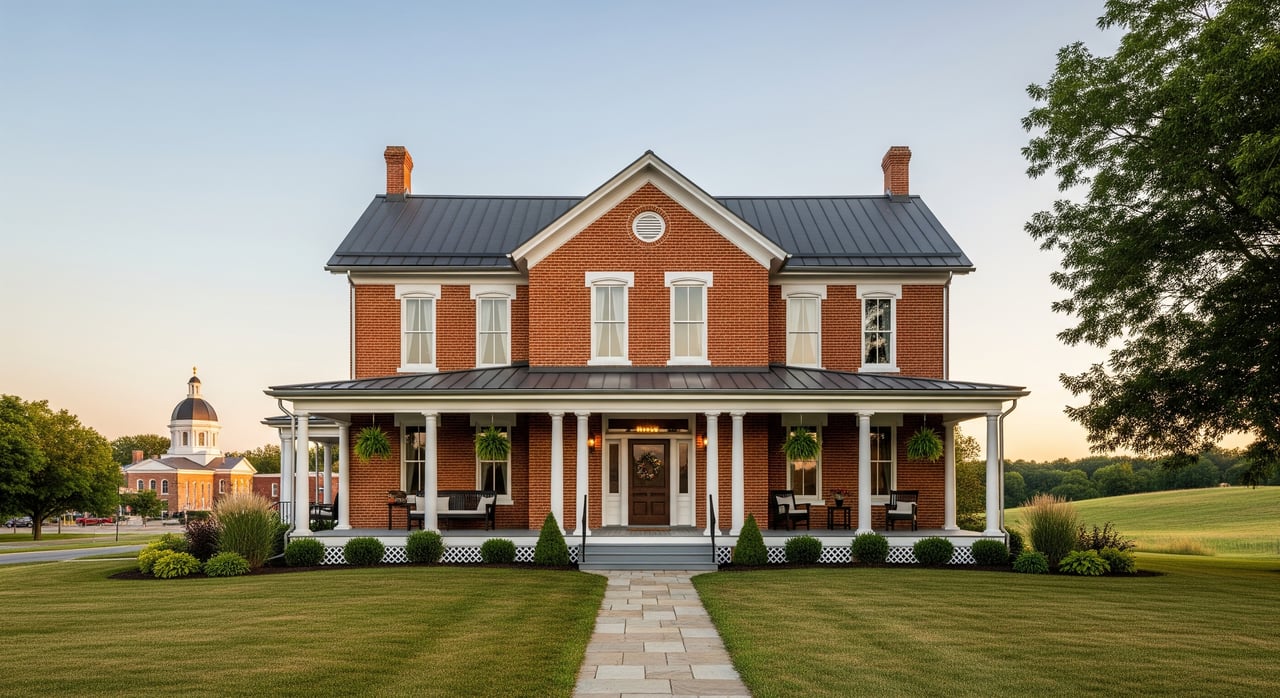
Buying your first home in a small town like Linn can feel simple at first, then suddenly overwhelming. You may be wondering how to handle wells and septic, whether you qualify for a USDA loan, and how long closing really takes when inventory is limited. You are not alone. With a clear plan and local know-how, you can move from browsing to keys with confidence.
This guide gives you a step-by-step roadmap tailored to Linn and rural Osage County, with timelines, inspections, financing options, and what to budget. You will also find practical tips for older homes and acreage properties. Let’s dive in.
Why Linn is different for buyers
Linn is the county seat of Osage County with a population of about 1,350, according to the 2020 Census. The housing stock leans toward single-family homes, older construction, and rural parcels nearby. Inventory is limited at any given time, which means median prices and days on market can swing month to month.
You will see more properties with private wells and septic systems than in suburban areas. Some listings may include acreage, outbuildings, or unique land-use details. For current demographic context, explore the U.S. Census QuickFacts. For up-to-date market figures, review Missouri REALTORS reports or county sales logs before you make pricing decisions.
Your buying roadmap
Step A: Budget and readiness (1–2 weeks)
Start with a monthly number that fits your lifestyle. Include mortgage principal and interest, property taxes, homeowners insurance, any HOA fee, utilities, and routine maintenance. Many lenders use front-end and back-end ratios for guidance.
Gather documents for pre-approval: recent pay stubs, W-2s for two years, bank statements, a government ID, and a list of debts. If you are self-employed, pull your recent tax returns. Having these ready speeds up your offer later.
Step B: Get pre-approved (1–7 days)
Secure a written pre-approval, not just a quick prequalification. This shows sellers you are serious and helps set your budget. Talk with at least two lenders, ideally one community bank or credit union familiar with rural property and one larger lender. Ask about USDA, FHA, VA, conventional, and any Missouri assistance programs.
Step C: House hunting in Linn (2 weeks to several months)
Expect fewer total listings than in bigger markets. Good matches can go quickly, but some homes sit longer. Clarify must-haves such as well and septic comfort level, acreage, outbuildings, and commute needs. Ask for utility cost history, recent repairs, and property tax information or past bills.
Step D: Make an offer and negotiate (1–7 days)
Build in standard contingencies for financing, inspection, appraisal, and clear title. Shortening contingency windows can make an offer more competitive but increases risk. Confirm local earnest money norms with your agent or title company and decide how quickly you can deliver funds.
Step E: Inspections and appraisal (2–4 weeks)
Inspection windows are commonly 7–14 days. For older or rural homes, add a septic inspection and well water test, plus pest, HVAC, and roof checks. Your lender orders the appraisal. If the appraised value comes in low, you will renegotiate with the seller or cover the difference.
Step F: Underwriting to closing (2–4 weeks)
Respond to lender requests fast to keep underwriting on track. Many financed purchases close about 30–45 days after offer acceptance. In rural transactions, allow extra time if septic work, well remediation, surveys, or repairs are needed.
Key inspections and property checks
Older homes and rural systems deserve careful due diligence. Here is what to prioritize:
- Septic system inspection and, if needed, certification. Confirm last pump-out and capacity.
- Well inspection and water testing for bacteria and nitrates.
- General home inspection covering structure, roof, HVAC, plumbing, and electrical.
- Pest and termite inspection, especially for older wood structures.
- Radon test. Missouri has regions of moderate to high potential, so testing is smart.
- Survey or boundary confirmation for acreage or irregular lots.
- Lead-based paint disclosure or testing for homes built before 1978.
- Flood risk review using the FEMA Flood Map Service Center. Some lenders require flood insurance in certain zones.
Financing options that fit Linn
- USDA Rural Development. Many Linn-area properties may qualify for 100 percent financing based on income and location. Check an address on the USDA property eligibility map and talk with a lender experienced with USDA loans.
- FHA. Low down payment, often 3.5 percent, with flexible credit guidelines.
- VA. For eligible veterans, typically with favorable terms and no down payment.
- Conventional. Low down payment options exist for first-time buyers, with private mortgage insurance if under 20 percent down.
- Missouri assistance. Review the Missouri Housing Development Commission programs for potential down payment help, eligibility rules, and preferred lenders.
Tip: Compare timelines, rates, fees, and appraisal turn times between a community lender and a larger lender. Ask directly about experience with wells, septic, and acreage.
What it really costs to buy
- Closing costs. Plan for about 2 to 5 percent of the purchase price. This includes lender fees, title insurance, recording, and prepaid taxes and insurance.
- Down payment. Ranges from 0 percent for USDA or VA to 3–5 percent for many first-time buyer conventional products to 3.5 percent for FHA. A full 20 percent down avoids PMI on conventional loans.
- Ongoing costs. Budget for property taxes, homeowners insurance, utilities, trash service, internet, and routine maintenance. In rural areas, plan for septic pump-outs every 3 to 5 years, well maintenance, and possible propane delivery.
- Documents. Keep pay stubs, W-2s or 1099s, bank statements, ID, a debt list, and any gift letters handy for both pre-approval and closing.
For mortgage rate context, you can check the Freddie Mac Primary Mortgage Market Survey. Your exact rate depends on credit, loan type, and lender pricing.
Smart house-hunting tips
- Ask early about utility providers, broadband options, and typical bills. Rural broadband speeds vary outside of town.
- Review property taxes through the Osage County Assessor or Collector. Confirm the seller is current on taxes and any special assessments.
- For acreage, verify zoning, recorded easements, and any conservation or agricultural covenants that could limit use.
- Check flood zones and local drainage. Even if not lender-required, flood insurance can be a wise add-on in low-lying areas.
- If commuting to regional hubs like Jefferson City, test your drive at typical commute times.
Sample timeline from offer to keys
- Days 0–3: Offer accepted, deliver earnest money, schedule inspections.
- Days 1–14: Complete inspections, negotiate any repairs or credits.
- Days 7–21: Appraisal ordered and completed, respond to lender conditions.
- Days 21–35: Title work clears, final loan approval, close and get keys.
Rural transactions sometimes extend beyond 45 days if septic repairs, well remediation, or survey work are needed. Build in a little cushion if your purchase includes acreage or older systems.
Avoid common first-time mistakes
- Skipping septic or well testing. These systems are common around Linn and can be costly to repair if problems go unnoticed.
- Shortening contingencies too far. A quick timeline can win a bidding war but raises risk if inspections uncover issues.
- Talking to only one lender. Compare at least two options to find the best mix of service, product fit, and fees.
- Ignoring flood maps and topography. Use the FEMA tool and ask about local drainage history.
- Overlooking radon testing. It is a small cost for peace of mind and leverage if mitigation is needed.
Your next step
Buying your first home in Linn should feel steady and simple, not stressful. With a local plan, the right inspections, and a loan that fits, you can move confidently from search to closing. If you want a hands-on guide who knows rural homes, acreage, and small-town timelines, reach out to Erica Smith Real Estate. We are here to walk you through each step and make sure you land in a home you love.
FAQs
What makes Linn different for first-time buyers?
- Linn has limited inventory and more older homes with well and septic systems. Expect variable days on market and focus your due diligence on utilities, septic, and water.
How do USDA loans work for Linn homes?
- USDA loans can offer 100 percent financing if you meet income limits and the property is eligible. Check an address on the USDA property eligibility map and talk to a lender.
What inspections do I need for rural Osage County homes?
- Plan for a general home inspection, septic inspection, well inspection and water testing, pest check, radon test, and a survey for acreage or boundary concerns.
How long does it take to close in Linn?
- Many financed purchases close in about 30–45 days after acceptance. Allow extra time if septic work, well remediation, or a survey is required.
Are there down payment programs in Missouri?
- Yes. Review the Missouri Housing Development Commission programs for current assistance options, eligibility rules, and preferred lenders.
How do I check flood risk for a Linn property?
- Enter the address in the FEMA Flood Map Service Center to see flood zones. Your lender may require flood insurance based on the results.
Where can I find current Linn demographics and context?
- Use the U.S. Census QuickFacts for population and housing context. For sales and pricing trends, check Missouri REALTORS or county sales logs.